Fighting Elephant Watercolor Art Review
As a designer who has spent years translating digital art into tangible stitched goods, I know that not every machine embroidery design survives the transition from screen to fabric. When I first pulled up Fighting Elephant Watercolor Art, my initial reaction was one of cautious optimism. The piece falls squarely within the Illustrations category, promising a blend of wild energy and soft artistic texture. But in the world of embroidery, "watercolor" is often code for complex gradients that can either look stunning or turn into muddy blobs if the stitch density isn't perfect. Let's dig into how this specific design holds up when you actually sit down at the machine.
The First Impression: Mood and Visual Weight
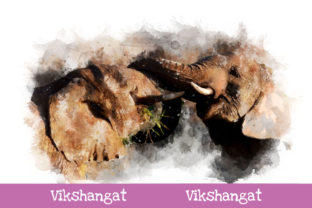
At a glance, Fighting Elephant Watercolor Art captures a moment of intense action softened by an artistic wash. The composition suggests movement, with the elephants locked in a dynamic pose that feels both ancient and modern. For a craft business owner looking to add a unique edge to their inventory, this kind of imagery stands out against the sea of floral patterns and cute animals that dominate the market. The visual personality here is bold yet approachable. It doesn't scream for attention like a neon logo; instead, it invites the viewer to lean in and appreciate the details.
However, the watercolor aesthetic presents a specific challenge. In a digital file, the blending of colors is seamless. In an embroidery project, we rely on thread to mimic those blends. If the design relies too heavily on subtle color transitions without enough definition, the finished product might lose its impact. My assessment is that this design works best when the underlying structure is strong enough to support the delicate color shifts. It feels like a piece destined for a high-quality handmade product where the customer expects a bit of artistry rather than just a logo.
Real-World Application: From Tote Bags to Sweatshirts
To truly understand the value of Fighting Elephant Watercolor Art, I imagined putting it through its paces on a few common items. Picture a heavy canvas tote bag. This is a classic use case for tote bag design. The sturdy fabric provides a stable base, allowing the stitches to sit flat and the colors to pop. The watercolor effect would likely translate beautifully here, giving the bag a gallery-like feel that elevates it from a simple carrier to a statement accessory. An Etsy seller could easily position this as a premium item for art lovers or nature enthusiasts.
Now, consider sweatshirt embroidery. Placing this design on the back of a heavyweight cotton sweatshirt creates a striking contrast between the soft, cozy fabric and the fierce imagery. The scale of the fighting elephants allows for a large hoop size, which is crucial for maintaining detail. On a smaller garment, like a baby onesie, the intensity of the image might be too much unless scaled down significantly and simplified. For baby embroidery, I would suggest using only a portion of the design or a softer color palette to maintain the gentle vibe required for nursery decor.
I also see potential for this as an embroidered patch. If you are producing patches for a boutique brand, the distinct silhouette of the elephants ensures recognition even from a distance. The watercolor style adds a layer of sophistication that separates your brand from competitors using standard vector art. Whether it's attached to a denim jacket or sewn onto a backpack, the finished product carries a sense of craftsmanship that customers trust.
Navigating Fabric Textures and Limitations
While the potential is high, Fighting Elephant Watercolor Art requires careful handling regarding fabric choice. This is not a design you should rush onto stretchy materials like jersey knit without significant testing. The intricate details of the watercolor wash demand a stable surface. On textured fabrics like linen or heavy denim, the stitches might sink in slightly, muting the vibrancy of the thread colors. You need a smooth, medium-to-heavy weight fabric to let the fill stitch shine.
Dark fabrics present another hurdle. Watercolor effects often rely on light backgrounds to show depth. Stitching this design directly onto black or navy fabric could make the lighter tones disappear entirely unless you use a dense underlay or a backing applique. Always test the design on scrap fabric first. Check the stitch density to ensure there are no gaps where the background fabric shows through unintentionally. If the density is too low, the watercolor illusion breaks; if it's too high, the fabric puckers, ruining the professional look.
Practical Designer Notes for Success
If you decide to integrate Fighting Elephant Watercolor Art into your workflow, treat it with the respect a complex illustration deserves. Before committing to a client order or a batch of inventory, run a test on the exact fabric you plan to use. Pay close attention to the hoop size; this design likely needs room to breathe to capture the full scope of the elephants' movement. Do not force it into a tiny hoop, or you will lose the very details that make it special.
Stabilizer is non-negotiable here. Use a cut-away stabilizer for knits or a tear-away for wovens, depending on the garment, but ensure it is heavy enough to support the weight of the threads. The running stitch and satin stitch elements used to define the edges must be crisp. If they bleed or overlap, the clean lines of the illustration get lost. Also, review the design in black and white mockups before finalizing. This helps you spot any areas where the contrast might fail, ensuring the image remains clear regardless of the fabric color.
For those selling digital products or offering commercial embroidery services, always confirm the licensing terms of the embroidery file. Ensure you have the right to sell finished items featuring this artwork. A clear understanding of your rights protects your business reputation and avoids legal headaches down the road. When presenting this to clients, show them how the personalized gift or custom apparel will look in different lighting conditions. The watercolor effect changes with the angle of the light, adding a dynamic quality that static photos might miss.
Final Verdict on Commercial Viability
Fighting Elephant Watercolor Art is a powerful asset for designers willing to put in the extra effort. It is not a "set it and forget it" design. It demands attention to fabric texture, stabilizer choice, and thread selection. However, when executed correctly, it transforms a standard garment into a piece of wearable art. For the small shop owner or creative entrepreneur, this design offers a way to differentiate their brand. It appeals to customers looking for something unique, story-driven, and visually rich.
In the end, the success of this embroidery project lies in the execution. By respecting the intricacies of the watercolor style and choosing the right applications, you can create a small shop product that commands attention and builds customer loyalty. Just remember: test thoroughly, stabilize well, and never underestimate the power of a good printable mockup to manage client expectations. With the right approach, Fighting Elephant Watercolor Art can become a signature piece in your portfolio.