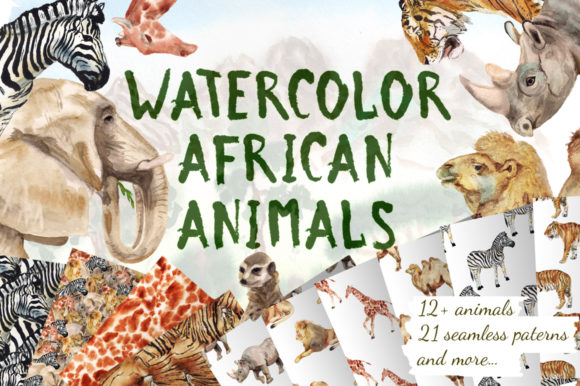
Watercolor African Animals Illustrations
I recently opened a fresh design brief for a boutique children's clothing line and an accompanying nursery decor collection. The client wanted something organic, earthy, yet vibrant enough to capture the imagination of young families. They needed a visual direction that felt handmade and authentic, steering clear of the sterile vector look that dominates so many modern brands. That is when I pulled up the Watercolor African Animals asset pack to see if it could anchor this brand identity. As a designer who has spent years curating assets for real-world commercial projects, my first step is always to assess whether a graphic design asset can withstand the rigors of actual production.
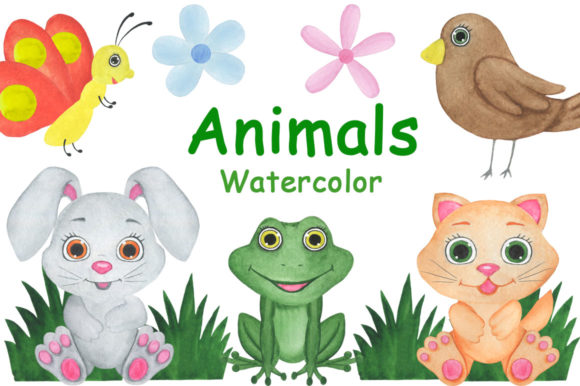
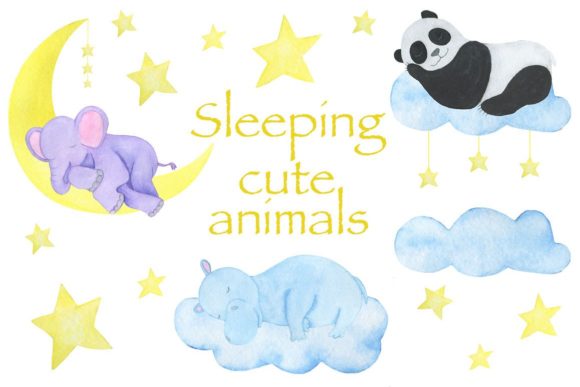
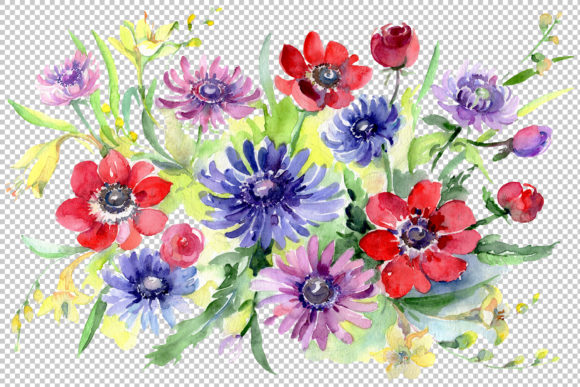
The first impression of these Illustrations was immediately promising. The washes of color are soft but distinct, avoiding the muddy pitfalls that often plague lower-quality digital watercolors. The texture feels genuine, mimicking the way pigment settles on heavy paper. This specific mood creates a sense of warmth and nostalgia, making it an ideal fit for a small business branding project focused on natural materials or educational themes. It instantly elevates the visual hierarchy, suggesting a level of care and craftsmanship that clients are willing to pay a premium for.
Evaluating Visual Mood for Brand Identity
When considering how Watercolor African Animals performs in a broader brand context, the versatility becomes apparent. For a logo design, these elements might be too detailed to stand alone as a mark, but they work exceptionally well as supporting brand elements. Imagine a packaging design where a subtle elephant silhouette appears in the corner of a product label, or a giraffe peeking out from behind typography on a tote bag. These illustrations add depth without overwhelming the primary message. In the realm of marketing visuals, they provide a strong emotional appeal, connecting with audiences on a softer, more human level than rigid geometric shapes ever could.
I tested the assets against various font styles to ensure harmony. Pairing these organic forms with a clean sans serif font creates a striking contrast that feels modern and approachable. Conversely, using them with a handwritten font or a classic serif typeface enhances the vintage, storybook aesthetic. This flexibility is crucial for editorial design, where the imagery must adapt to different layouts while maintaining visual trust. Whether used in a blog post about wildlife conservation or a seasonal campaign for a handmade business, the style remains consistent and professional.
Real-World Applications: From Print to Digital
The true test of any creative design asset is its performance across different mediums. I began by placing these images into a t-shirt design mockup. The transparency of the PNG files held up perfectly, allowing the fabric texture to show through the lighter washes of color. This makes them excellent for sublimation design and print-on-demand products, where high-quality reproduction is non-negotiable. The colors remained vibrant even when scaled down for smaller items like stickers or keychains, proving their utility as a sticker design element.
For digital applications, the impact is equally strong. I dragged the assets into a Canva template to create social media graphics for an Instagram launch. The images popped against both light and dark backgrounds, though I found that a slightly textured background worked best to mimic the paper feel. On Pinterest pins and web design headers, these illustrations serve as powerful hero graphics that stop the scroll. They also function beautifully as decorative accents in email newsletters, breaking up text blocks and guiding the reader's eye through the content.
However, there are scenarios where caution is required. While beautiful, these illustrations can get lost in crowded layouts or against complex backgrounds. If you are designing a minimalist corporate presentation or a technical flyer, the organic nature of the watercolor might clash with the need for strict visual clarity. Additionally, at very small sizes, such as on a business card icon, the delicate details of the brushstrokes may blur, reducing readability. It is essential to preview the design at small scales before finalizing any print run.
Practical Designer Notes for Commercial Use
Before integrating Watercolor African Animals into a client deliverable, I always run a series of practical checks. First, I test the design in black and white to ensure the tonal values hold up for grayscale printing options. Next, I inspect the file formats closely. High-resolution PNGs with transparent backgrounds are standard, but checking for SVG design capabilities is vital for those needing infinite scalability for large format prints like banners or murals. If the bundle includes vectors, it opens up endless possibilities for editing colors to match specific brand palettes.
Licensing is another critical component. Always confirm the commercial license terms before using these assets for a client or your own Etsy product shop. You need to know if you can use them for unlimited merchandise sales or if there are restrictions on the number of units produced. A solid design bundle should clearly outline these permissions to protect your business from legal issues. Furthermore, comparing the asset quality against other clipart libraries helps determine if it offers unique value or just generic filler.
Finally, consider the overall impression these assets leave on the end consumer. Do they make the product feel premium? Does the visual hierarchy guide the customer correctly? In my experience, high-quality watercolor art signals authenticity and creativity. It tells a story before a single word is read. For a digital seller looking to expand their portfolio, or a marketer needing fresh content for a campaign, these illustrations offer a polished, ready-to-use solution that saves hours of manual painting time.
Final Verdict on Project Suitability
In conclusion, the Watercolor African Animals collection is a robust addition to any designer's toolkit, particularly for projects requiring a touch of nature-inspired elegance. It excels in packaging design, nursery decor, educational materials, and lifestyle branding. While it requires careful placement to avoid clutter, its ability to convey emotion and warmth makes it a standout choice. Whether you are creating a Cricut project for a craft fair, designing a product mockup for a pitch deck, or building a complete brand identity for a startup, these illustrations provide the visual foundation needed to succeed. They transform simple concepts into compelling narratives, proving that the right graphic design asset can indeed make or break a project's success.