Watercolor Bear Sublimation Design Review
As a designer who has spent years navigating the fine line between digital art and tangible thread, I approach every new asset with a critical eye. When I first encountered the Watercolor Bear Sublimation Design, my immediate reaction was one of aesthetic delight followed by a practical pause. This piece falls squarely into the Illustrations category, promising a soft, dreamy vibe that is incredibly popular in the current handmade market. However, the title itself raises an immediate red flag for us embroidery enthusiasts: it says "sublimation." Before you rush to buy this as your next best-selling machine embroidery design, we need to have a frank conversation about how this specific visual style translates from inkjet printer to sewing machine.
The Visual Mood and Artistic Intent
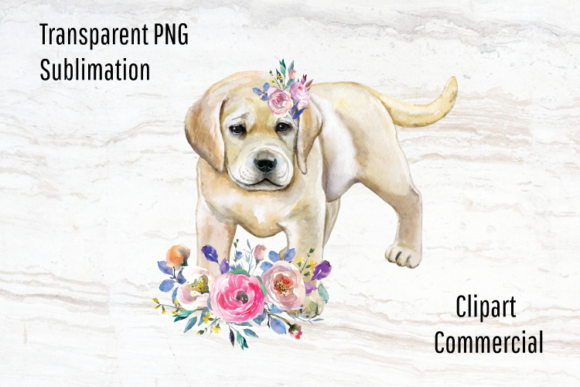
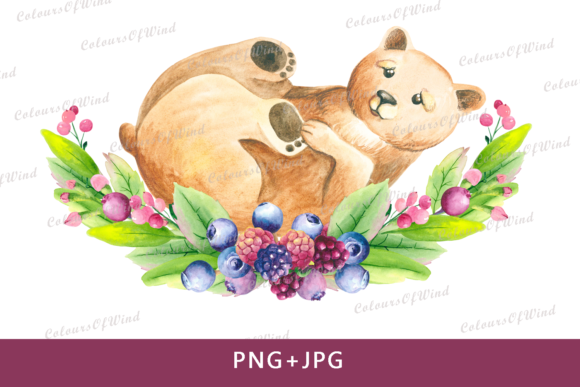
The charm of the Watercolor Bear Sublimation Design lies in its fluidity. The artwork features a bear rendered with bleeding edges, soft gradients, and a lack of harsh outlines. In the world of digital downloads, this is a winner. It screams "nursery decor," "baby shower gift," or "cozy autumn apparel." For an Etsy seller looking to expand their catalog of digital product sellers assets, the visual appeal is undeniable. It evokes a sense of warmth and nostalgia that customers love.
However, when I mentally convert this image into a stitch file, the challenges become apparent. Watercolor effects rely on transparency and color blending. Standard embroidery files do not natively support transparency. To achieve this look in thread, we must rely on complex layering, underlays, and specific fill stitch techniques to mimic the bleed. If you are planning to use this design for a custom apparel project, such as a sweatshirt or a tote bag, you must be prepared to either manually digitize the design to capture those watercolor nuances or accept a more solid, block-color interpretation that loses some of the original artistic intent.
Real-World Application: The Custom Sweatshirt Scenario
Let's walk through a real-life scenario. Imagine you run a small shop specializing in personalized gifts and a client wants a custom sweatshirt featuring this bear. You load the design into your machine, hoping for a magical result. Here is where the practical side of commercial embroidery kicks in. If the design is used as-is without significant adjustment, the soft gradients might turn into jagged, pixelated blocks of color because the stitch density cannot replicate the smooth transition of watercolor paint.
To make this work on a heavy cotton sweatshirt, you would likely need to simplify the color palette. Instead of trying to match every subtle hue shift, you might group similar tones to create distinct areas of fill stitch. This requires a keen understanding of how thread sits on fabric. On a textured garment like a fleece sweatshirt, the thread colors can get lost if the contrast isn't sharp enough. The Watercolor Bear Sublimation Design works best here if you treat it as a bold graphic rather than a delicate painting. Using a high-quality stabilizer is non-negotiable to prevent the fabric from puckering under the weight of the dense fill areas required to cover the bear's shape.
Navigating Fabric and Hoop Constraints
Not all fabrics are created equal, and this design demands careful selection. If you attempt to embroider this on thin fabric, like a standard t-shirt or a baby onesie, the sheer volume of thread needed to fill the bear's body could cause tunneling or distortion. The hoop size becomes a critical factor here. While the illustration might look perfect on a screen, the physical dimensions of the stitched area might exceed your 4x4 hoop, forcing you to split the design. Splitting a continuous watercolor-style image often breaks the flow of the design, creating visible gaps that ruin the illusion of a painted effect.
Furthermore, consider the texture of the material. On a kitchen towel or a textured canvas tote bag design, the loose weave can interfere with the precision of the stitches. The delicate details of the bear's face or ears might get swallowed by the fabric texture. In these cases, simplifying the running stitch outlines and increasing the density of the fill is essential. If you are working with stretchy fabrics common in baby embroidery, the tension of the stitching combined with the elasticity of the material can lead to warping over time, especially after frequent washing.
Strategic Use for Small Business Owners
For the craft business owner or the handmade shop owner, the value of this design depends on execution. If you can successfully adapt the Watercolor Bear Sublimation Design into a high-quality embroidered patch, it becomes a versatile asset. Patches allow you to control the backing and stabilizer independently, ensuring the finished product holds up well. These patches can then be ironed onto hats, jackets, or bags, offering a consistent look across different products.
This approach also solves the issue of dark fabric. Watercolor designs typically feature light, airy colors. Placing them directly on a black hoodie without a proper underlay will result in muddy, indistinct shapes. By creating a patch version, you can use a white backing or a dense satin border to frame the design, ensuring it pops regardless of the base garment. This level of professionalism builds customer trust and elevates the perceived value of your finished product.
Practical Designer Notes for Success
Before committing to a large batch of orders or listing this as a primary item in your store, follow these steps:
- Test on Scrap Fabric: Never skip this step. Run a test on the exact fabric you intend to sell. Check for puckering and see if the colors blend as expected.
- Review Stitch Density: Look at the back of the test stitch. If there are large holes, the density is too low; if the front looks stiff and shiny, it is too high.
- Check Thread Contrast: Ensure the thread colors stand out against the background. The soft nature of watercolor art needs slightly higher contrast to remain legible in thread form.
- Verify Licensing: Since this is categorized under Illustrations, confirm whether the license allows for commercial use on personalized gifts or small shop products. Do not assume you can sell the final embroidered item without checking the terms.
- Mockup in Black and White: Test the design in grayscale to ensure the shapes hold up without relying solely on color gradients.
Final Verdict on Market Fit
The Watercolor Bear Sublimation Design is a beautiful piece of art that holds immense potential for the right creator. It is not a plug-and-play solution for beginners expecting instant perfection. It requires a designer who understands how to translate digital fluidity into mechanical precision. If you are willing to invest time in adjusting the digital embroidery file, testing stabilizers, and perhaps even re-digitizing parts of the image to suit thread limitations, this design can become a signature piece for your brand.
It fits perfectly into the niche of holiday embroidery for winter collections, nursery decor items, and boutique branding where a whimsical, hand-painted aesthetic is desired. However, remember that the medium dictates the method. What works beautifully as a sublimation print may need significant adaptation to shine as a machine embroidery design. With the right technical adjustments and a focus on quality materials, this bear can indeed bring a splash of artistic color to your handmade product line, delighting customers who appreciate both the artistry and the craftsmanship.