Watercolor Unicorns: Clipart and Illustrations
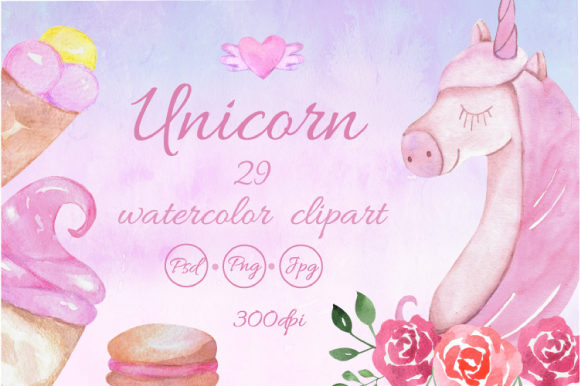
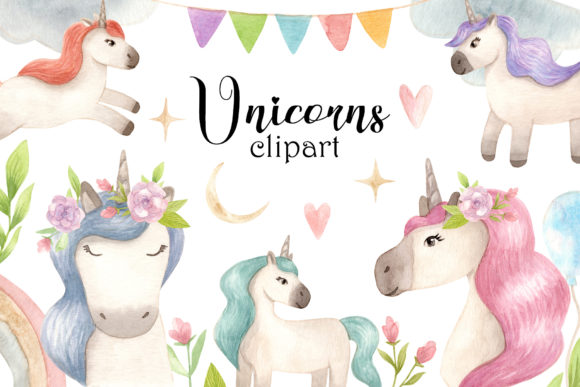
I recently opened a new file for a boutique baby brand launch, searching for something that felt whimsical yet sophisticated. The client wanted a visual identity that moved away from the harsh lines of vector cartoons and leaned into something softer, more organic. That is when I stumbled upon Watercolor Unicorns. Clipart and Pattern. As a designer who has spent years curating assets for real-world applications, my first instinct is always skepticism. Does this look like a generic stock image, or does it have the depth to carry a brand? My initial impression was promising. The watercolor texture feels authentic, with pigment bleeding naturally into the paper grain, creating a mood that is dreamy without being chaotic.
The First Impression: Mood and Visual Texture
When evaluating any graphic design asset, the texture is the first thing that speaks to the viewer. In this case, the watercolor style immediately establishes a tone of innocence and magic. Unlike flat digital illustrations that can feel sterile, these images possess a tactile quality. The way the colors blend suggests a handmade touch, which is crucial for clients targeting parents, crafters, or anyone seeking a connection to artisanal goods. This specific set of Illustrations works exceptionally well for projects requiring an emotional hook. It instantly softens the visual hierarchy, making the content feel approachable and warm.
However, as a professional, I know that a pretty picture isn't enough for a commercial project. I needed to see how Watercolor Unicorns. Clipart and Pattern would perform under pressure in a real design scenario. Would the details hold up on a tiny label? Would the transparency work seamlessly in a complex layout? These are the questions that separate a hobbyist download from a viable commercial design tool.
Performance in Real-World Branding and Packaging
For this specific client, the goal was to create packaging for a line of organic baby soaps and plush toys. I began by testing the clipart elements against different background colors. One of the strongest features of this asset is its versatility in packaging design. When placed on a cream or off-white kraft paper mockup, the watercolor unicorns pop beautifully, maintaining their integrity without needing heavy drop shadows or outlines. This makes them perfect for labels where space is limited but impact is required.
I also explored using the pattern component for the back of the box. Repeating patterns can often look messy if the alignment isn't perfect, but the seamless nature of this design allowed me to create a cohesive backdrop that didn't compete with the product information. It added a layer of visual interest that elevated the perceived value of the product. For print-on-demand sellers looking to expand their catalog, this kind of asset is invaluable. Imagine applying this to a tote bag or a children's t-shirt; the organic edges of the watercolor style soften the fabric texture, resulting in a t-shirt design that looks less like a screen print and more like a piece of art.
Where the Asset Shines: Large Formats and Social Media
This design bundle truly excels in large layout areas and hero graphics. When used as the central element in a website header or a Pinterest pin, the detail in the mane and horn becomes a focal point that draws the eye. For social media graphics, particularly Instagram posts and stories, the whimsical nature of the unicorns encourages engagement. They fit perfectly into the aesthetic of lifestyle blogs and parenting communities. I found that pairing these images with a delicate script font or a rounded sans-serif typeface created a harmonious balance, reinforcing the brand's friendly voice.
Furthermore, for Cricut users and those involved in sticker design, the high-resolution PNG files provided in the download are essential. If you are cutting vinyl or printing on sticker paper, you need clean edges and high contrast. While watercolor inherently has soft edges, the digital execution here ensures that the main subjects remain distinct enough for die-cutting or weeding. This makes it a practical choice for small business owners selling physical goods at local markets or on Etsy.
Critical Considerations: Where Caution is Needed
Despite its strengths, there are scenarios where Watercolor Unicorns. Clipart and Pattern requires careful handling. You should avoid using these assets in minimalist corporate branding or projects that demand a stark, modern visual hierarchy. The organic, slightly unpredictable nature of watercolor can clash with rigid grid systems or ultra-clean, Swiss-style layouts. Additionally, be cautious when placing these elements over busy backgrounds. Because the watercolor style relies on subtle gradients and transparent washes, they can get lost against complex textures or dark, noisy images.
Another critical check involves size. While the files are high resolution, shrinking a detailed watercolor illustration down to a favicon size or a tiny icon can result in a muddy mess. Always preview your design at 100% zoom to ensure the details don't dissolve into a blob. If you are designing for mobile web views where elements might be compressed, consider simplifying the composition or using the silhouette versions if available, rather than the full-color wash.
Practical Designer Notes for Commercial Use
Before finalizing any project, I always run a standard checklist. First, test the asset in black and white. Even though watercolor is about color, understanding how the values translate to grayscale ensures readability in monochrome marketing materials. Second, inspect the transparency. A good PNG design should have no jagged white borders around the subject. Third, verify the licensing. Ensure you have a valid commercial license before using these assets for a client. Many designers overlook this, only to face legal issues later when a logo or product goes viral.
I also recommend comparing the asset with various font styles. Pairing these unicorns with a bold display font creates a fun contrast, while a handwritten font enhances the handmade feel. Finally, always place the design on a real product mockup before presenting it to the client. Seeing the unicorn on a mug or a notebook cover helps the client visualize the final outcome and validates the creative direction.
Final Verdict: A Versatile Creative Tool
In conclusion, Watercolor Unicorns. Clipart and Pattern is a robust addition to any designer's library, provided it is used with intention. It bridges the gap between digital convenience and artistic authenticity. Whether you are building a brand identity for a handmade business, creating editorial design for a children's magazine, or launching a new Etsy product, these illustrations offer the flexibility needed to stand out. They bring a sense of wonder and professionalism that generic clipart simply cannot match. By understanding its strengths and limitations, you can leverage this asset to create designs that not only look beautiful but also drive results for your clients.