Blue Watercolor Hearts: A Designer's Review
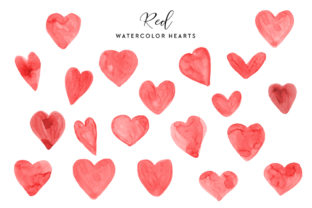
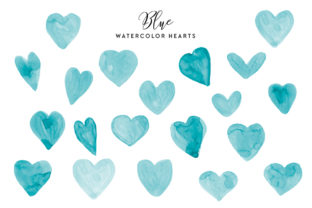
When I first pulled up the Blue Watercolor Hearts file on my design screen, I wasn't just looking for another heart motif. As someone who has spent years curating assets for a small craft business and managing custom embroidery orders, I know that the difference between a good sale and a returned item often lies in the nuance of the design itself. This particular machine embroidery design immediately stood out because it moves away from the rigid, geometric hearts we see everywhere. Instead, it captures a fluid, artistic mood that feels incredibly current for the handmade market.
The visual personality here is soft yet distinct. The watercolor effect, achieved through clever use of fill stitch and color blending, suggests movement and emotion. For an Etsy seller or boutique owner, this kind of Illustrations category asset is gold because it elevates a standard product into something that feels curated and thoughtful. However, before you rush to stitch this onto your next batch of inventory, let's break down how Blue Watercolor Hearts actually performs when moved from the digital realm to real fabric.
Bringing the Design to Life on Custom Apparel
I recently tested this concept by planning a run of custom tote bags and lightweight sweatshirts. The goal was to create a line of Valentine's Day gifts that felt less like mass-produced merchandise and more like personalized art. When I visualized Blue Watercolor Hearts on a natural cotton canvas tote bag, the potential was immediate. The blue tones pop beautifully against neutral backgrounds, creating a sophisticated contrast that appeals to a wide demographic.
For sweatshirt embroidery, the story gets a bit more interesting. The watercolor style relies on gradients and subtle transitions. On a heather grey or navy sweatshirt, these nuances can get lost if the thread colors aren't selected with precision. In a real-world scenario, I found that using high-quality polyester threads with a slight sheen helped mimic the wet look of actual watercolor paint. The satin stitch borders used to define the edges of the hearts provided necessary structure, preventing the softer fill areas from bleeding visually into the fabric texture.
This design is particularly strong for baby embroidery projects as well. Think of a onesie or a receiving blanket where you want something sweet but not overly cutesy. The gentle curves of Blue Watercolor Hearts avoid the sharp points that can sometimes snag delicate fabrics, making it a safer choice for items that will be washed frequently and handled by little hands.
Navigating Fabric Challenges and Stitch Density
While the aesthetic appeal is high, practical application requires a critical eye. One area where Blue Watercolor Hearts needs careful handling is on textured fabrics. If you are working with a heavy linen or a nubby wool blend, the fine details within the watercolor wash might struggle to hold their definition. The stitch density in the lighter areas of the design is intentionally lower to create transparency, which looks great on smooth cotton but can look sparse on rougher weaves.
Similarly, dark fabrics present a unique challenge. Without a proper underlay or a stabilizer that prevents show-through, the light blues in the design might appear muddy against black or deep charcoal backgrounds. I always recommend testing the design on scrap fabric first, especially when dealing with dark material. Check whether the design works for both personal and commercial projects by verifying that the thread colors maintain their vibrancy after a few wash cycles.
Another consideration is the hoop size. Because the watercolor effect relies on specific color layering, stitching this design in a hoop that is too small can force the machine to compress the stitches, ruining the gradient effect. Always confirm hoop size compatibility before starting your run. If you are attempting this on a curved surface like a cap, the distortion of the fabric can warp the organic shape of the hearts. It is often better to reserve designs like this for flat surfaces like pillow covers, aprons, or patches where the geometry remains true.
Strategic Use for Craft Businesses and Small Shops
For the creative entrepreneur, Blue Watercolor Hearts offers a versatile tool for brand consistency. Whether you are selling finished products at a craft fair or listing digital mockups for other designers, this asset helps establish a cohesive look. The design fits seamlessly into holiday embroidery collections, wedding gift suites, or even corporate branding for wellness companies that value a softer image.
However, buyer engagement depends heavily on presentation. When creating printable mockups or photos for your online shop, ensure the lighting highlights the texture of the embroidery. Customers need to see that this isn't just a printed graphic; they need to appreciate the depth created by the running stitch and fill stitch combinations. A high-quality photo showing the thread sheen and the way the light hits the satin stitch edges can significantly increase perceived value.
As a small shop product, this design allows for upselling. You could offer the Blue Watercolor Hearts as a standalone embroidered patch, which customers can sew onto denim jackets or backpacks. Alternatively, it serves as a beautiful accent on kitchen towels or tea towels, adding a touch of whimsy to home decor. The key is to position it correctly. Don't treat it as a generic decoration; frame it as a piece of wearable art.
Practical Designer Notes for Success
To get the most out of this embroidery file, I suggest following a few golden rules. First, always review the stitch density settings on your machine. If the software automatically adjusts the density, check the result manually. Sometimes the algorithm makes the fill too tight, eliminating the airy watercolor feel.
Second, pay close attention to your stabilizer choice. For a design with varying densities like this, a tear-away stabilizer might leave residue in the delicate areas, while a cut-away provides too much stiffness. A lightweight heat-away stabilizer often strikes the perfect balance, supporting the stitches during sewing without compromising the drape of the final garment.
Third, test the design in black and white mockups before committing to expensive thread colors. This helps you see the structural integrity of the design without the distraction of color. Does the shape hold up? Are there any gaps in the outline? These questions are crucial for maintaining professionalism in your work.
Finally, always confirm licensing before selling finished items or digital products. Even if the design looks perfect, using it commercially without the right permissions can jeopardize your business. Once you have cleared those hurdles, Blue Watercolor Hearts is a fantastic addition to your library of design assets. It bridges the gap between technical execution and artistic expression, offering a fresh take on a classic symbol that resonates with modern consumers looking for genuine, handmade quality.