Poppy Watercolor PNG: A Designer's Review
As a designer who has spent years translating digital art into tangible thread, I approach every new asset with a mix of excitement and skepticism. When I first opened the Poppy Watercolor PNG, my immediate reaction was to assess its potential beyond the screen. In the world of machine embroidery, a beautiful image on a monitor does not always guarantee a stunning finished product. This piece falls under the category of Illustrations, which often presents unique challenges when converting soft, blended watercolor aesthetics into the rigid geometry of a machine embroidery design.
The First Impression: Mood and Visual Personality
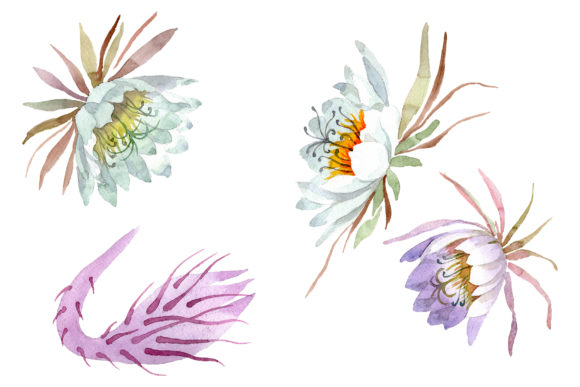
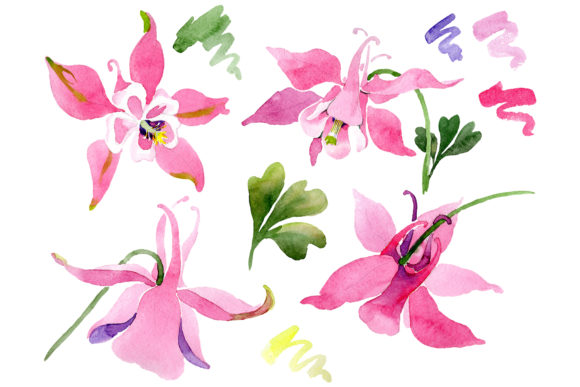
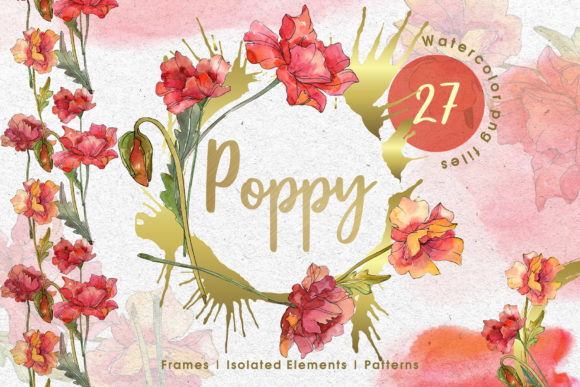
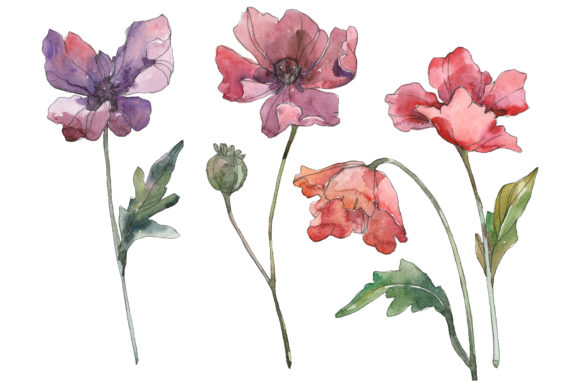
The Poppy Watercolor PNG exudes a delicate, organic charm that is perfect for spring collections or botanical-themed gifts. The visual personality here is soft, with edges that bleed naturally, mimicking the way ink interacts with paper. For an Etsy seller or a boutique owner looking to create a cohesive brand identity, this design offers a distinct aesthetic that stands out against the harsh lines of standard vector graphics. However, the very quality that makes it beautiful—the lack of hard definition—is also what requires careful handling in a real-world embroidery project.
I found myself imagining this design on a linen tote bag or a cotton apron immediately. The color palette suggests warmth and creativity, making it an ideal candidate for a personalized gift or a small shop product meant to evoke a handmade feel. Yet, before committing to any fabric, I know I must evaluate how the stitch density will hold up against the subtle gradients inherent in the watercolor style.
Translating Digital Art to Thread: Real-World Application
When preparing to use the Poppy Watercolor PNG for a client order, such as a custom sweatshirt or a nursery blanket, the process involves more than just loading the file. The transition from a digital embroidery file to physical thread requires strategic planning. If I were to place this design on a sweatshirt embroidery project, the texture of the fleece would interact with the fill stitch in interesting ways. The softness of the watercolor effect might be lost if the thread colors are not chosen with high contrast in mind.
For a tote bag design, the flat surface of canvas allows for better definition, but the movement of the bag could stress the stitching if the hoop size is too large relative to the stabilizer used. I often recommend testing this type of illustration on scrap fabric first. By running a test stitch, you can see if the running stitch outlines remain crisp or if they blur into the background. This step is crucial for maintaining the integrity of the handmade product and ensuring customer satisfaction.
Best Use Cases for the Poppy Design
- Custom Apparel: Ideal for lightweight t-shirts where the design won't overwhelm the fabric weight.
- Baby Embroidery: The soft aesthetic fits perfectly on onesies or receiving blankets, provided the stitches are secure.
- Holiday Gifts: Works beautifully on pillow covers or tea towels for seasonal decor.
- Commercial Embroidery: Excellent for branding items like caps or patches, though simplification may be needed.
Navigating Challenges: Where Caution is Needed
While the Poppy Watercolor PNG is visually striking, it is not without its limitations. One of the primary concerns with watercolor-style illustrations is the detail level. On a small hoop, the intricate blends might turn into muddy spots rather than distinct petals. If you are considering this for an embroidered patch or a cap, you must verify that the details do not disappear when scaled down. Tiny lettering or fine lines within the poppy stems could break during stitching if the stitch density is too high for the fabric.
Fabric choice plays a massive role here. Textured fabrics like denim or thick wool can obscure the delicate nature of the watercolor effect. Similarly, stretchy fabrics require a robust stabilizer to prevent the design from distorting. If you plan to use this on dark fabric, the thread colors must be vibrant enough to pop; otherwise, the subtle washes of the original image will vanish. I have seen too many projects fail because the designer did not account for how light interacts with different fabric textures.
Critical Considerations for Specific Projects
- Small Hoop Sizes: Avoid using this design in hoops smaller than 4x4 inches unless you significantly simplify the artwork.
- Layered Garments: Ensure the back of the garment can support the weight of the stitching without puckering.
- Detailed Corners: Inspect the stem tips and petal edges to ensure they do not require impossible turns for the needle.
- Frequent Washing: Test the durability of the fill stitch after multiple wash cycles to ensure longevity.
Enhancing Value and Professionalism
Using a well-executed design like the Poppy Watercolor PNG can significantly elevate the perceived value of your craft business. Customers buying a custom apparel item expect a professional finish. If the stitching looks messy or the design appears pixelated due to poor digitization, it damages buyer trust. Conversely, a clean, thoughtful application of this Illustration signals attention to detail and quality craftsmanship.
For those selling digital assets, creating accurate printable mockups is essential. Show your customers exactly how the Poppy Watercolor PNG will look on a finished item. Compare light and dark fabric backgrounds in your previews so buyers understand the versatility of the design. This transparency builds confidence and reduces returns, which is vital for any small shop product line.
Practical Designer Notes for Success
Before you finalize any project involving the Poppy Watercolor PNG, take these steps to ensure success. First, always test the design on scrap fabric that matches your final material. Check the thread color contrast to ensure the watercolor effect translates well in thread. Review the stitch density settings in your software; sometimes reducing the density helps maintain the airy feel of the original art.
Confirm the hoop size requirements early in the process. If the design is intended for a specific area, such as the chest of a shirt, make sure it fits comfortably without stretching the fabric. Inspect small details closely; if the poppy centers are too tiny, consider enlarging them slightly for better visibility. Test the design in black and white mockups to check the balance of the composition before adding color.
Finally, never skip the licensing check. Whether you are creating a personalized gift or a commercial embroidery item, confirm that you have the right to sell the finished goods. If you are selling the digital embroidery file itself, ensure the terms allow for redistribution. Using proper stabilizer is non-negotiable for achieving a professional look, especially on challenging fabrics.
In conclusion, the Poppy Watercolor PNG is a versatile asset that brings a touch of artistic flair to embroidery projects. With careful planning, appropriate fabric selection, and attention to technical details, it can transform simple garments into cherished keepsakes. As designers, our job is to bridge the gap between digital beauty and tactile reality, and this design offers a wonderful opportunity to do just that.