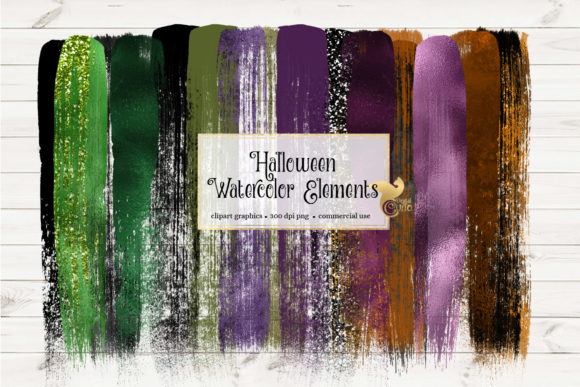
Halloween Watercolor Elements Clipart Review
As a designer who has spent years translating digital art into tangible thread, I approach every new asset with a critical eye. When I first opened the file for Halloween Watercolor Elements Clipart, my initial reaction was one of cautious optimism. The mood is undeniably atmospheric, capturing that soft, dreamy aesthetic often associated with modern holiday decor. However, moving from a crisp screen image to a stitched reality requires a deep understanding of how watercolor textures behave under machine tension. This review breaks down whether this specific set of Illustrations holds up in real-world embroidery scenarios or if it remains a pretty but impractical concept.
The Visual Translation: From Pixel to Thread
The defining characteristic of these designs is the gradient and bleeding effect typical of watercolor painting. In a digital format, this looks seamless. In an embroidery project, however, we are dealing with distinct lines of thread. The challenge lies in replicating that fluidity without creating a muddy mess. When I visualized stitching these elements onto a tote bag design, the large, sweeping shapes of the pumpkins and ghosts seemed promising. They offer enough surface area for a fill stitch to work effectively, allowing for subtle color blending through layering techniques.
However, the fine edges where colors bleed into one another are where the magic can easily turn into frustration. If the stitch density is too high, the fabric will pucker, ruining the soft vibe. If it is too low, the "watercolor" look disappears, replaced by visible gaps between stitches. For a custom apparel item like a sweatshirt, this means you must be prepared to do some serious digitizing adjustments. You cannot simply load the file and hit start. The design demands a skilled hand to tweak the underlay and pull compensation to ensure the final finished product retains its artistic integrity.
Real-World Application: Tote Bags and Holiday Gifts
Let's talk about a specific scenario: preparing a line of holiday embroidery gifts for a small shop. Imagine a collection of organic cotton tote bags intended for an Etsy seller looking to boost their seasonal sales. These bags are sturdy, yet they have a natural texture. Using Halloween Watercolor Elements Clipart here could be a winner if executed correctly. The soft aesthetic contrasts beautifully with the rougher weave of canvas, giving the bag a boutique feel rather than a mass-produced look.
I envision placing a large, central motif on the front pocket or the main body of the bag. Because the watercolor style relies on negative space and soft edges, it does not overwhelm the fabric. Instead, it adds a touch of whimsy that appeals to customers looking for personalized gifts. The design works exceptionally well for items that are meant to be displayed or used casually, such as kitchen towels, pillow covers, or even nursery decor for a spooky-but-cute Halloween theme. It avoids the harsh, solid blocks of color often seen in traditional horror-themed machine embroidery design, making it accessible for a wider audience, including parents buying baby embroidery items.
Where Caution Is Required
Despite its potential, there are significant limitations to consider before committing to a commercial run. First, avoid using these intricate watercolor blends on small hoop sizes. The delicate gradients require space to breathe. Attempting to shrink them for a cap or a small patch will likely result in a loss of detail and a pixelated appearance once stitched. Similarly, textured fabrics like heavy fleece or thick denim can interfere with the smooth flow of the satin stitch and fill patterns, causing the design to look uneven.
Dark fabrics present another hurdle. Watercolor effects often rely on light backgrounds to show the transparency and layering of colors. Stitching these directly onto black or navy material without a backing applique or a dense underlay might make the design disappear entirely. Furthermore, stretchy fabrics are risky; the tension required to hold the complex layers of thread could distort the soft shapes, turning a flowing ghost into a misshapen blob. Always test on scrap fabric first to see how the thread colors interact with your specific material.
Impact on Brand Value and Customer Perception
For a craft business owner, the choice of design assets directly impacts brand consistency and customer trust. A well-executed Halloween Watercolor Elements Clipart project signals quality and attention to detail. It suggests that the maker understands current trends and values aesthetics over speed. Conversely, a poorly stitched version can damage reputation. Customers paying for handmade products expect precision. If the watercolor effect looks messy or the edges are jagged, the perceived value drops immediately.
This design set is particularly strong for building a cohesive brand identity around a "soft spooky" or "whimsical autumn" theme. It allows for a unique selling proposition in a market saturated with standard orange and black motifs. By using these design assets, you can create a signature look for your Etsy listings or craft fair booth that stands out. The visual appeal translates to higher engagement, as buyers are drawn to the uniqueness of the piece. However, remember that the digital embroidery file is only as good as the execution. Investing time in testing printable mockups and comparing light versus dark fabric backgrounds is essential before launching a product line.
Practical Designer Notes for Success
If you decide to move forward with this project, follow these practical steps to ensure success:
- Test on Scrap Fabric: Never skip this step. Stitch the design on the exact fabric you plan to use to check for puckering and color accuracy.
- Check Thread Contrast: Ensure the thread colors you select provide enough contrast against the background while maintaining the watercolor illusion.
- Review Stitch Density: Adjust the settings in your software to prevent the fabric from becoming too stiff, which ruins the drape of custom apparel.
- Confirm Hoop Size: Verify that the design fits comfortably within your hoop size without needing to re-hoop, which can cause alignment issues.
- Inspect Small Details: Zoom in on the finished test to ensure no tiny details have been lost in the translation from vector to stitch.
- Use Proper Stabilizer: A tear-away or cut-away stabilizer is crucial for supporting the weight of the threads, especially on lighter fabrics.
- Verify Licensing: Before selling any commercial embroidery items or digital files, confirm that your license for Halloween Watercolor Elements Clipart permits resale of finished goods.
In conclusion, Halloween Watercolor Elements Clipart offers a refreshing alternative to traditional holiday designs. It has the potential to elevate your small shop product offerings and create memorable personalized gifts. However, it demands respect for the medium. Treat it as a collaborative partner in your creative process, adjusting your technique to match its unique requirements. With careful planning and execution, these illustrations can become a staple in your seasonal collection, delivering both beauty and professionalism to your customers.