Hand-drawn Watercolor Floral Elements Review
As a designer who has spent years translating digital art into tangible thread, I approach every new asset with a critical eye. When I first opened the file for Hand-drawn Watercolor Floral Elements, my immediate reaction was one of cautious optimism. The aesthetic is undeniably charming, capturing that soft, organic vibe that customers love on Etsy and boutique shop shelves. However, the transition from a watercolor illustration to a stitched reality is where the real work begins. This review explores whether these floral assets hold up under the scrutiny of a professional embroidery machine or if they are better suited for print-only applications.
The Mood and Visual Personality of the Design
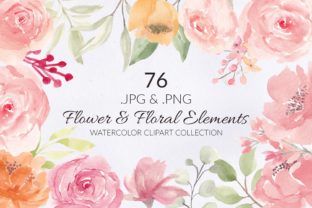
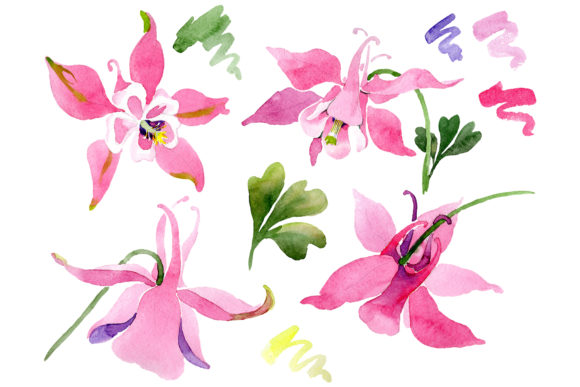
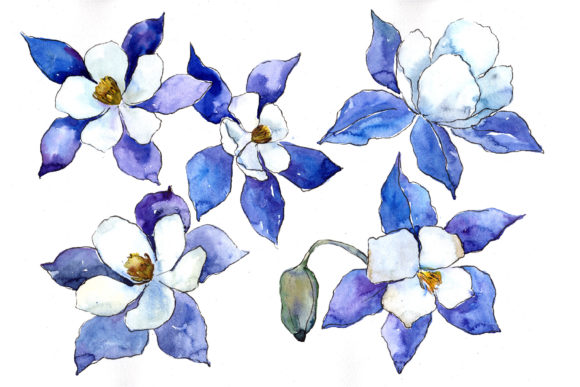
The first impression of Hand-drawn Watercolor Floral Elements is defined by its delicate lines and blended color transitions. In the digital realm, these illustrations breathe; they feel light, airy, and perfectly suited for spring collections or nursery decor. The shapes are irregular and free-flowing, mimicking the natural imperfection of hand-painted art. For a small business owner looking to elevate their brand consistency, this style offers a distinct alternative to the rigid, geometric patterns often found in standard commercial embroidery packs.
However, visual personality in an embroidery project is not just about how it looks on a screen. It is about how the thread interacts with the fabric. The "watercolor" effect relies heavily on gradients and soft edges. In a machine embroidery design, achieving this look requires careful manipulation of stitch density and thread colors. If the fill stitch is too dense, the design loses its ethereal quality and becomes a solid block of color. If it is too sparse, the fabric texture may show through unevenly, ruining the illusion of paint. The challenge lies in preserving the artistic intent while adhering to the mechanical limitations of the needle.
Real-World Application: A Custom Tote Bag Scenario
To truly evaluate the utility of these assets, let's imagine a specific scenario: creating a limited-run collection of canvas tote bags for a local craft fair. These bags need to be durable, visually appealing, and capable of withstanding frequent washing. I envision using Hand-drawn Watercolor Floral Elements as the primary motif on the front panel. The large, open areas of the flowers would work well here, allowing for a generous hoop size without overwhelming the canvas.
In this context, the design shines. The organic shapes soften the structured nature of the canvas material. By selecting pastel thread colors that mimic the original watercolor palette, the finished product feels cohesive and high-end. Customers browsing at a craft fair are drawn to items that feel handmade and unique. This tote bag design leverages the "hand-drawn" aspect to suggest artisanal quality, increasing the perceived value of the item. It transforms a simple accessory into a statement piece that aligns with current trends in custom apparel.
However, the placement matters. If I were to place this same design on a sweatshirt embroidery project, the result might differ. Sweatshirts have a fuzzy pile that can obscure fine details. The delicate stems and petals in the Illustrations category might get lost in the loops of the fleece. Here, the design would require significant digitization adjustments, perhaps thickening the outlines or simplifying the inner details to ensure clarity.
Navigating Challenges: Where Caution is Required
While the potential is high, there are specific situations where Hand-drawn Watercolor Floral Elements should be used with extreme care. One major concern is the use of thin fabric or stretchy materials like jersey knit. The intricate details of a watercolor style often require a high stitch count to render correctly. On stretchy fabric, this density can cause puckering, distorting the design and making the garment uncomfortable to wear. Similarly, on textured fabrics like linen or denim, the subtle color shifts intended to create the watercolor effect may not register clearly against the grain of the material.
Another critical area is the cap or curved surfaces. The irregular shapes of these floral elements do not always translate well to the tight curve of a baseball cap brim. The tension required to stitch around a curve can pull the threads, causing the delicate petals to warp. Additionally, small hoop sizes present a limitation. If you attempt to fit a complex section of the design into a 4x4 inch hoop, the resulting stitch count per square inch will be excessive, leading to thread breakage and poor coverage.
Dark fabrics also pose a challenge. The "watercolor" look often relies on white or light backgrounds to show the blending of colors. Stitching this directly onto a black or navy garment without an underlay or applique design technique will result in muddy colors. The lightness of the design is its greatest asset, but it is also its vulnerability when paired with dark substrates.
Practical Notes for Professional Execution
Before committing to a production run or selling a finished product featuring these designs, I strongly advise following a rigorous testing protocol. First, always test the design on scrap fabric that matches your final project material. Check the stitch density closely; does it look like a painting, or does it look like a solid patch? Adjust the settings in your digitizing software if necessary to reduce density in the lighter areas.
Second, review the thread colors against the fabric in natural light. What looks vibrant on a monitor may appear dull when stitched. Consider using variegated threads to enhance the watercolor effect, but be aware that this adds complexity to the stitching process. Third, confirm the hoop size requirements. Ensure your machine can accommodate the full span of the design without needing to re-hoop, which can lead to misalignment.
For those planning to sell these as digital products or use them in commercial embroidery projects, verify the licensing terms immediately. Not all Illustrations come with a commercial license for resale on physical goods. As an Etsy seller or small shop product creator, protecting your business means ensuring you have the right to use the design assets for profit. Finally, consider creating a printable mockup to preview how the design sits on various items before investing in thread and time. This step helps manage customer expectations and ensures the personalized gift or holiday embroidery item meets your quality standards.
Final Thoughts on Value and Appeal
Hand-drawn Watercolor Floral Elements offers a unique opportunity for designers to inject artistry into functional items. When executed correctly, it elevates a simple embroidered patch or baby embroidery project into something memorable. The key lies in understanding the limitations of the medium. By respecting the mechanics of the machine and the properties of the fabric, you can harness the charm of these illustrations to create products that stand out in a crowded market.
Whether you are decorating a kitchen towel, designing a wedding gift, or building a brand identity for a boutique, these floral elements provide a versatile foundation. They encourage creativity but demand precision. For the experienced designer willing to tweak the settings and test thoroughly, the result is a handmade product that feels both modern and timeless. Just remember: the beauty of the watercolor style is in its subtlety, and your job is to preserve that subtlety in thread.